By Franck Médioni
How does one become John Coltrane? As we celebrate his centennial on September 23, the question arises once again.
Jazz is post-Coltrane. John Coltrane (1926–1967) holds a towering place in the history of jazz, and therefore in the history of music. He belongs to those who, like Louis Armstrong, Duke Ellington and Charlie Parker, helped build the very language of jazz. By the early 1960s, he had established himself as the most important jazz musician of the post-bebop era.
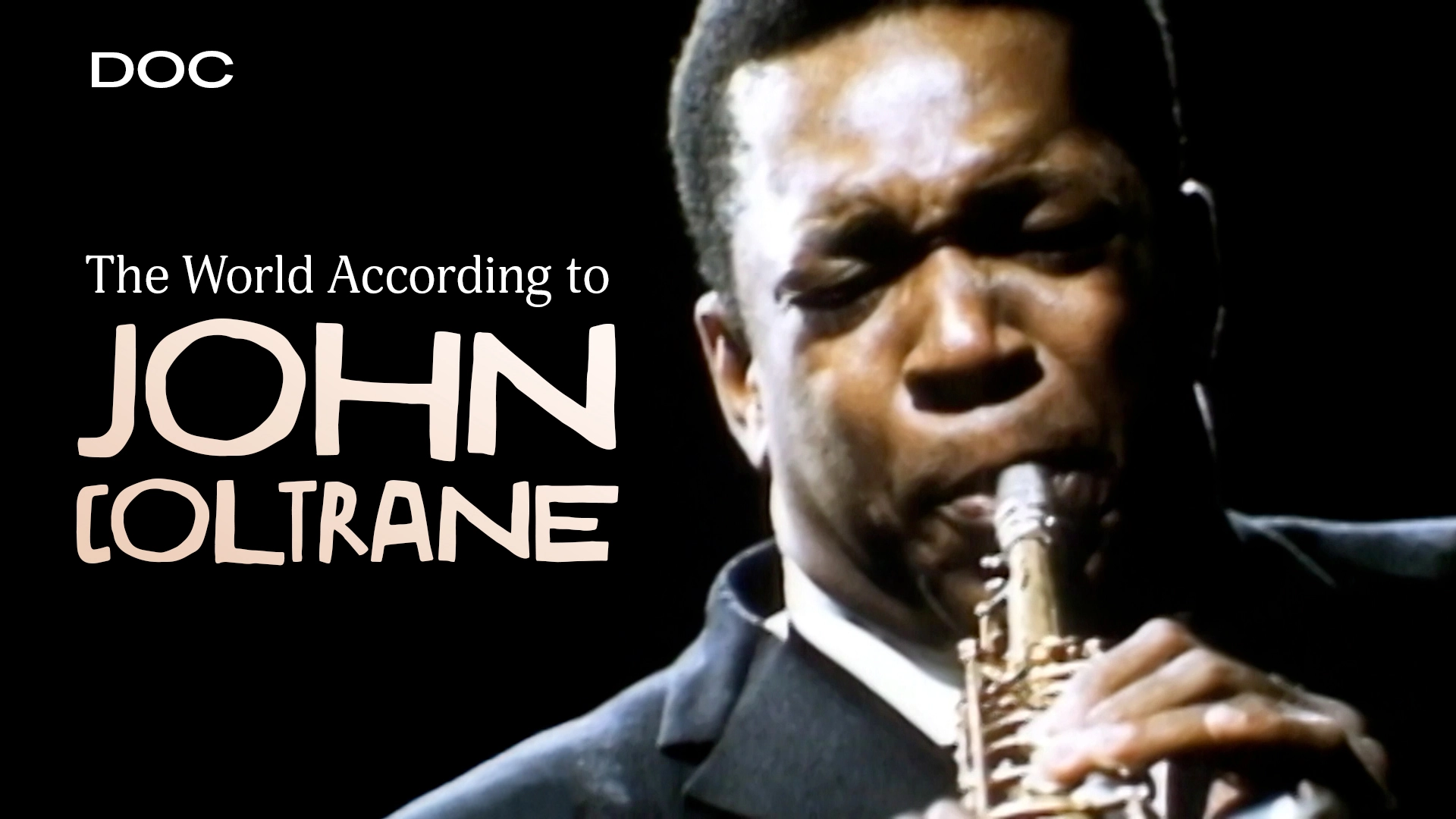
He was a comet streaking across the jazz sky; he died on July 17, 1967, at the age of 40. Perhaps he knew that reaching the unreachable music he carried inside him, true poetic greatness, would demand a sacrifice: his own life. Perhaps that explains the urgency that drove him. Everything moved fast with him. In a blazing career spanning little more than ten years, from 1955 to 1967, Coltrane was the explosion of a supernova. His musical journey speaks of an endless horizon, the impossibility of the quest. How much further can one go?
John William Coltrane was born on September 23, 1926, in Hamlet, North Carolina, in the racially segregated American South. His father, a tailor, was an amateur musician, and music ran in the Coltrane family. So did religion: his maternal grandfather was a preacher. It was with another reverend, Reverend Steele, who led the local scout band, that the young Coltrane, at 13, first played horn before switching to alto saxophone. Six years later, he did his military service and played in his regiment's band in Hawaii. He then passed through a string of rhythm and blues outfits—the music closest to his heart, like the blues—playing with Big Maybelle, King Kolax, and above all Eddie Vinson. He was learning the trade. Coltrane was a shy, hardworking young musician, but as his earliest recordings show, he was not yet the virtuoso genius we imagine today.
Trane & Miles
In 1948, Trane, as he was known, played with the Heath brothers. The following year, he joined, on tenor saxophone, the big band of bebop pioneer and trumpeter Dizzy Gillespie. Coltrane played here and there. It wasn't until 1955, at age 30, when he joined Miles Davis's band, that attention truly turned to him. That was the adventure of the trumpeter's first historic quintet, alongside pianist Red Garland, bassist Paul Chambers, and drummer Philly Joe Jones. Coltrane with Miles Davis is best heard on the albums Relaxin', Steamin', Cookin' and Working' with Miles. Music lightly grave, or gravely light. Miles and Coltrane: that's austerity and flow. “So now there was Trane on saxophone, Philly Joe on drums, Red Garland on piano, Paul Chambers on bass, and me on trumpet, Miles would recall in his autobiography. And faster than I could have imagined, the music we were making together became incredible. It was so good it gave me chills, and the audience too. Damn, it got scary fast—so much so that I'd pinch myself just to make sure I was really there. Not long after Trane and I started playing together, the critic Whitney Balliett wrote that Coltrane had ‘a stark, unpolished tone that set off Davis, like a rough setting for a fine stone.’ Very quickly, Trane became much more than that. He turned himself into a diamond. I knew it, and so did everyone who heard him.”
“Coltrane, the Anti-Jazz”
Coltrane, with his hard, cutting sound, unfurled sheets of tone in an unbroken, continuous stream of notes. He caused a sensation, and a scandal. At the same time, people spoke of “genius,” and the American jazz magazine DownBeat ran the headline: “Coltrane-Dolphy, the Anti-Jazz.” Coltrane was cast as an angry man, a revolutionary, because his phrases stretched out in garlands and his tone was biting, almost furious. The American critic Ira Gitler coined the term sheets of sounds, for this torrent of interlaced notes. To counter this image of jazz's enfant terrible, Impulse! producer Bob Thiele had him record with the master of classicism Duke Ellington and crooner Johnny Hartman.
On March 21, 1960, Parisians discovered John Coltrane for the first time, performing at the Olympia in Miles Davis's band. Boos, whistles—it was an uproar. Frank Ténot, the concert's organizer, told him afterward that the audience hadn't understood. Coltrane replied: “No, I didn't play well enough!”
Play, play some more. Always go further. Trane lived by and for music. He was obsessed, possessed; he played and played again. During the break between two sets at a concert, he played. At home, he kept on playing. His wife Alice would recall seeing him fall asleep with his saxophone's mouthpiece still between his lips.
In the 1960s, John Coltrane was the present and the future of jazz. Two saxophonists towered over the post-bebop, hard-bop era of the 1960s: John Coltrane and Sonny Rollins. The media artificially cast them as rivals. And, in the early 1960s, the free jazz revolution ignited by Ornette Coleman emerged—a path Coltrane himself would take starting in 1965, after his quartet disbanded.
Then there is the Monk episode, an important chapter in Coltrane's musical education. He was Thelonious Monk's partner at the Five Spot in 1957. Alongside the bebop master, he worked on harmony, on musical architecture. Coltrane told DownBeat in September 1960: “Working with Monk let me get close to a first-rate architect of music. I felt I was learning in different ways—theoretically, technically. I'd talk to him about a musical problem, and he'd sit down at the piano and just answer me by playing. I'd watch him play, and I'd discover what I wanted to know.” It was reportedly Monk who showed Coltrane, using false fingerings, how to play two or three notes at once on the saxophone. And it was with Monk that Trane began taking very long choruses.
Coltrane began recording under his own name in 1957. In February 1960 came the release of the album Giant Steps, his very first for Atlantic, the Ertegun brothers' label, which was enjoying great success with Erroll Garner and Ray Charles. It's a relatively short record (37 minutes and 3 seconds, to be precise), and a very dense one. It affirms Coltrane as a composer (he wrote all seven compositions on the record, including the magnificent ballad “Naima,” his favorite composition of his own), as a towering saxophonist, and as a tireless improviser. Leading three different quartets, he recorded Giant Steps in April, May, and December 1959, not long after Kind of Blue by Miles Davis (March 2 and April 2; the manifesto record of modal jazz). Right away, two tracks on the album grab attention before they blow your ears wide open: “Giant Steps” and “Countdown.” Extreme virtuosity. An expansion of the whole field of harmonic struggle. John Coltrane climbs onto the changes, latches on, grips them tight. And the chords coil and uncoil. Coltrane musics. The musical machine is set in motion, straining to expand. He's swept up in the organic motion of the music, in an unbroken sonic flow where the harmonic engine never once seizes up. The notes come tumbling down, the chords line up along the horizon, chaining together, breaking loose. Coltrane: “More notes, more ideas, more energy.” He grabs clusters of notes, always hunting for notes that ring true high up in the harmony, on the natural harmonics.
The Classic Quartet
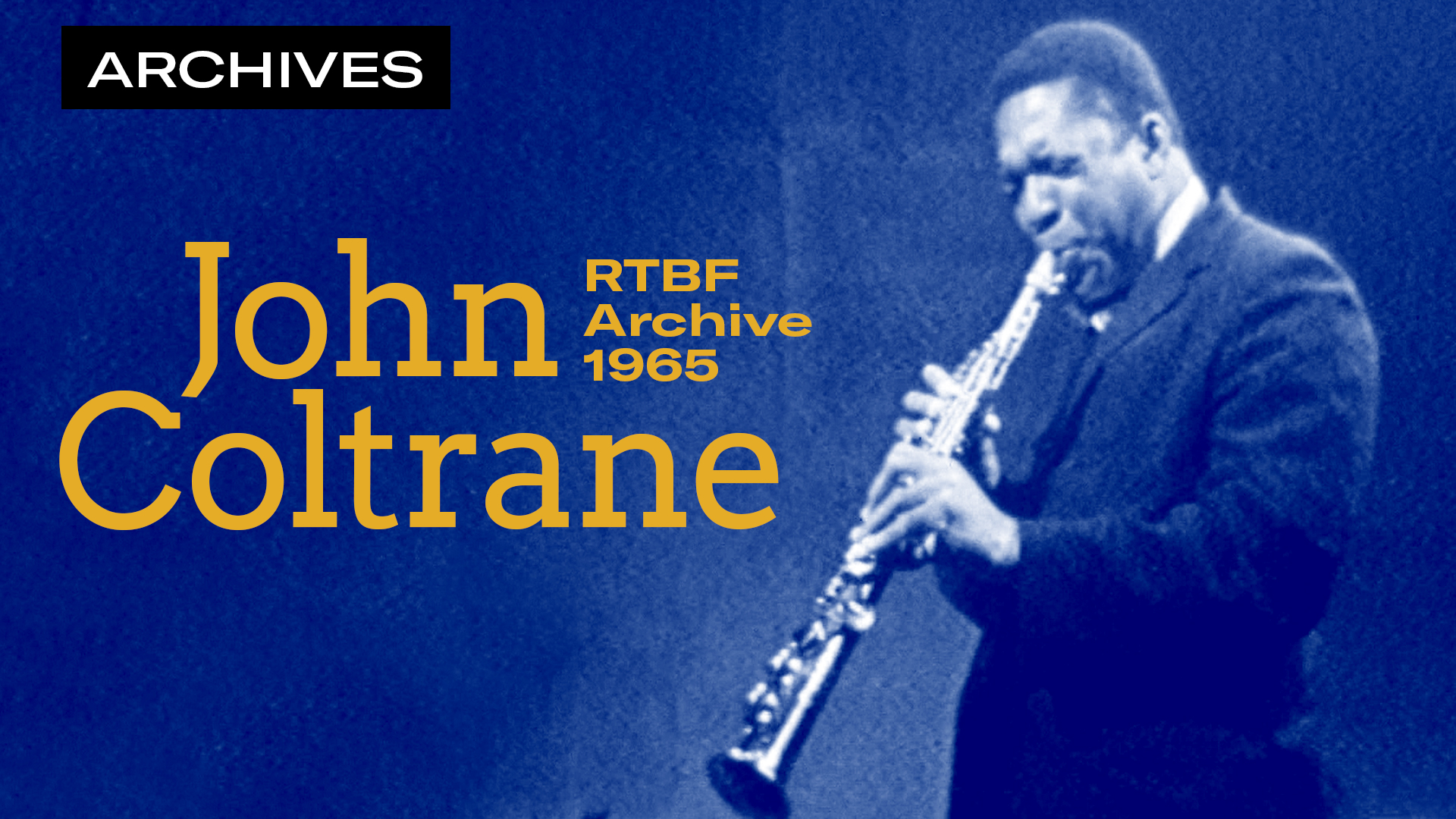
It was only fair: Coltrane now wanted to fly on his own wings. So he left Miles Davis's group, a departure Davis took very hard. Central to Coltrane's musical journey is the adventure of the quartet. There were several quartets before “The Classic Quartet” took shape in April 1960. McCoy Tyner was on piano, Jimmy Garrison on bass, and Elvin Jones on drums. This band was a tightly knit unit, a combination of technique and power, simplicity and intensity. The passion, the sincerity, the beauty of Coltrane's music blazed with a thousand lights. How to explain such musical force, such group cohesion? Trust, consistency, complementarity. Communication, a communion of sound. When they weren't playing live, they kept playing anyway; they recorded. It was an extraordinary collective of musicality and synergy—an empathy rarely matched in the history of jazz. Each man, even while playing, held a full awareness of the whole band. Each knew his own place, and the group's.
“The group's chemistry was phenomenal, pianist McCoy Tyner explained. Even when we knew the repertoire, the exact tunes we were going to play, it was different every night, unique every night. We were completely focused on the music. We'd start playing, do our best, and then whatever happened, happened. Of course we hoped something would happen, and it often did, with tremendous intensity. Jimmy Garrison, bassist: “That experience with Coltrane's band was unique. It was simply the feeling of being part of something that was happening in real time… It was a spiritual thing.”
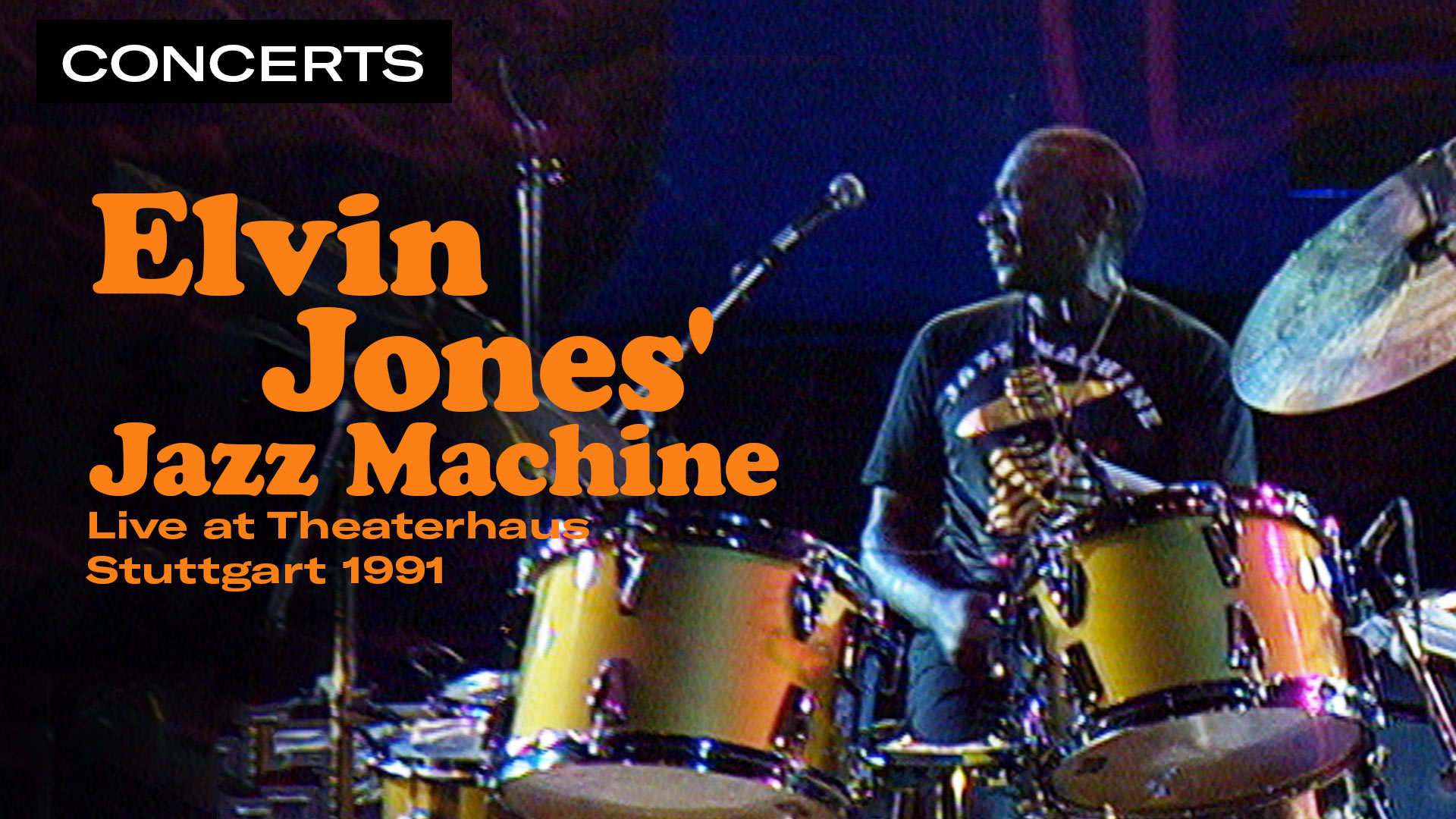
And it took a drummer like Elvin Jones, a master of the drums, a magician of tempo, to carry the music that far. “Our bond was total. John and I didn't really need to talk much to understand each other, Elvin Jones explained. In fact, John didn't talk much at all. But then again, we understood each other, we got along so well, we didn't really need words—the music was enough. Music was our language. All four of us, John, McCoy, Jimmy, and me, were bound together by the music. That bond was very strong, intense, almost telepathic. I don't think I ever felt as close to another musician as I did to him. John and I had complete trust in one another; we knew each other so well, we understood each other so quickly, and because of that, we complemented each other perfectly. I think you can hear that quite clearly in the music. Over time, through the many, many concerts, that trust, that cohesion, that strength of the group only deepened. We didn't rehearse; we played, and we kept on playing. His hunger for music never seemed satisfied. Sometimes, often even, it was all he thought about; he was possessed by music. We played, and we kept on playing.”
The John Coltrane Quartet was the most influential jazz group of the 1960s, alongside Miles Davis's second quintet. “I was fascinated by Coltrane's music, its density, its intensity, its sophistication—especially that of the quartet with McCoy Tyner, Jimmy Garrison, and Elvin Jones, recalls Dave Liebman, a Coltrane-influenced saxophonist who played with Miles Davis in the early 1970s. I was deeply impressed by his total commitment to the music. You had to hear the quartet live to truly grasp the passion, the power with which they played. I remember Coltrane in concert as if it were yesterday. I don't think I've ever heard anything more powerful, irresistible, and honest than that group's concerts, night after night.”
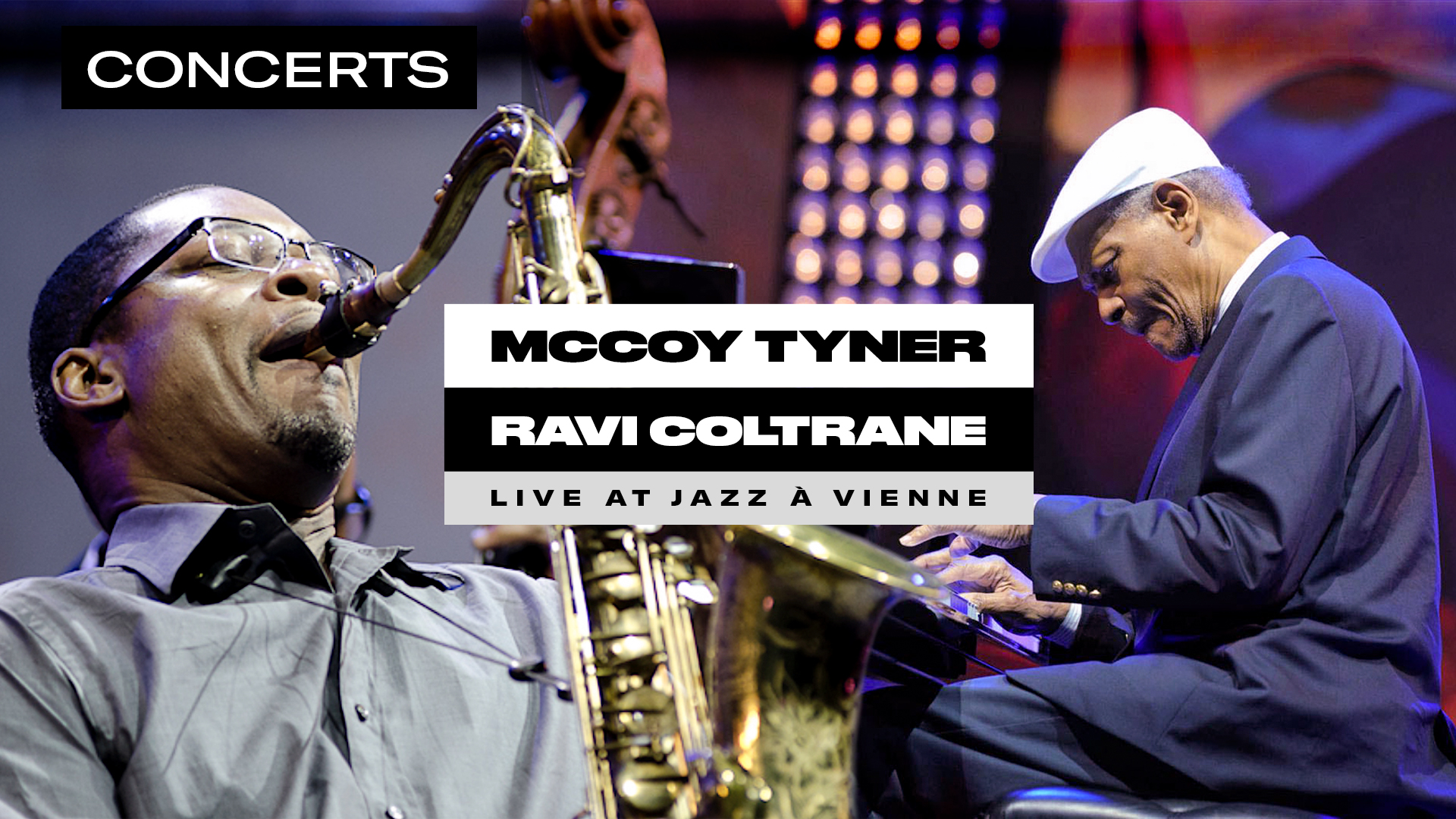
In 1964, Coltrane's album Crescent marked the quartet's incandescent peak before its dissolution in 1965, and before the experiments, upheavals, and free-jazz explorations still to come (the albums Interstellar Space, OM, Expression, Stellar Regions). Some—this writer included—consider it his finest record. Why? Because the group's cohesion is pushed to its peak: a serene power, an incandescent blues (“Bessie's Blues,” a twelve-bar blues that cuts sharp), a pervasive melancholy, a lyricism that is powerful, taut, yet held in check, refined to its essence. Not one note too many, not one phrase too many. No excess, only the music. Coltrane's art distilled to its purest expression. The ballad “Lonnie's Lament” glimmers with a midnight-blue light. His music is passionate, vertiginous. Here, it is pared down to its essential form.
The Coltrane Sound
For many, John Coltrane is the greatest saxophonist in the history of jazz. A powerful sound, a finely chiseled phrase worked like jewelry. Total mastery of his instrument—the tenor, then the soprano, nicknamed “the carrot” for its straight shape—an instrument, the saxophone, invented by the Belgian Adolphe Sax and patented in 1846, that he advanced by giant strides. Never anything approximate; he controlled everything. For many saxophonists in Coltrane's wake from the 1960s onward, he is the one who showed the way. After Coleman Hawkins, Lester Young and Sonny Rollins, Coltrane marks a crucial stage in the history of the tenor saxophone. Today he is an essential musician, perhaps even an unsurpassable one. Coltrane pushed the language of jazz forward. He brought a major enrichment to the saxophone's harmonic vocabulary. He extended its range. After him, it became standard practice to use the instrument's upper register with strong expression. He also developed the use of multiphonics and extra-musical sounds, which are now part of the instrument's vocabulary.
The sound. It's one of Coltrane's defining qualities—instantly identifiable, a sound sitting at the crossroads between the rhythm and blues of his early musical steps and a jazz sound. His tone is powerful, cutting, carrying a soft melancholy. A sound of great purity. Like that of Dexter Gordon, his major influence, his sound is perfectly placed. Placed exactly the way classically trained singers or professional actors place their voices. Those who truly master the technique of projecting the voice “in the mask,” sending every sound to the very same spot—dead center, as they like to say, right at the root of the upper incisors. And Coltrane deserves all the more credit for this because, throughout his short life, he suffered from severe dental problems.
There is an energy, a Coltrane sound. Two notes are enough; you recognize it instantly. Even a single note is enough: that's Coltrane. He had a sound entirely his own, a sound of great force and depth that radiates a particular emotion. And there is, in his playing, a true jeweler's precision in phrasing, that way of relaunching himself from phrase to phrase. Phrases spiraling like a whirling dervish. It's what makes his playing so hypnotic, an almost obsessive music.
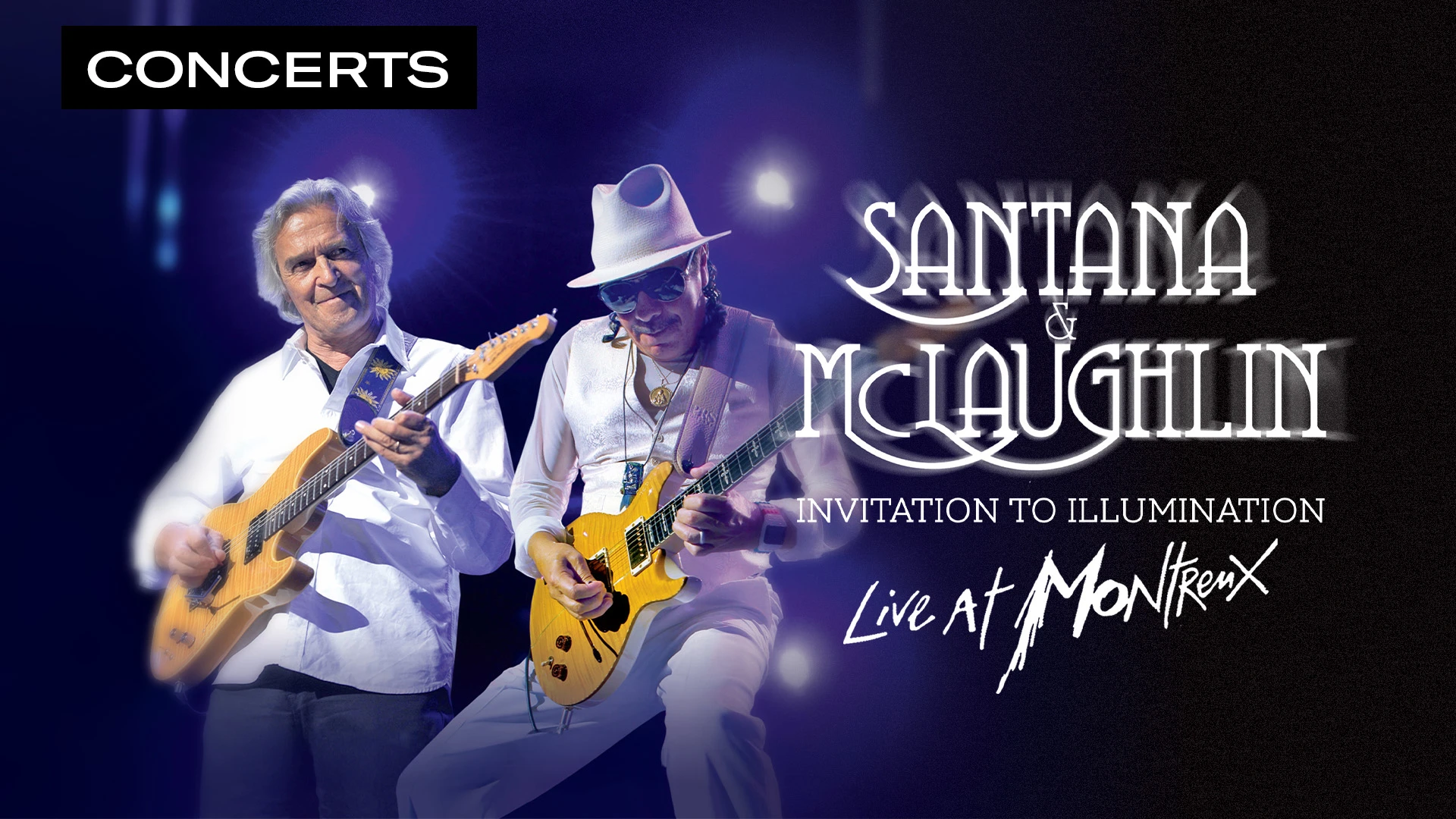
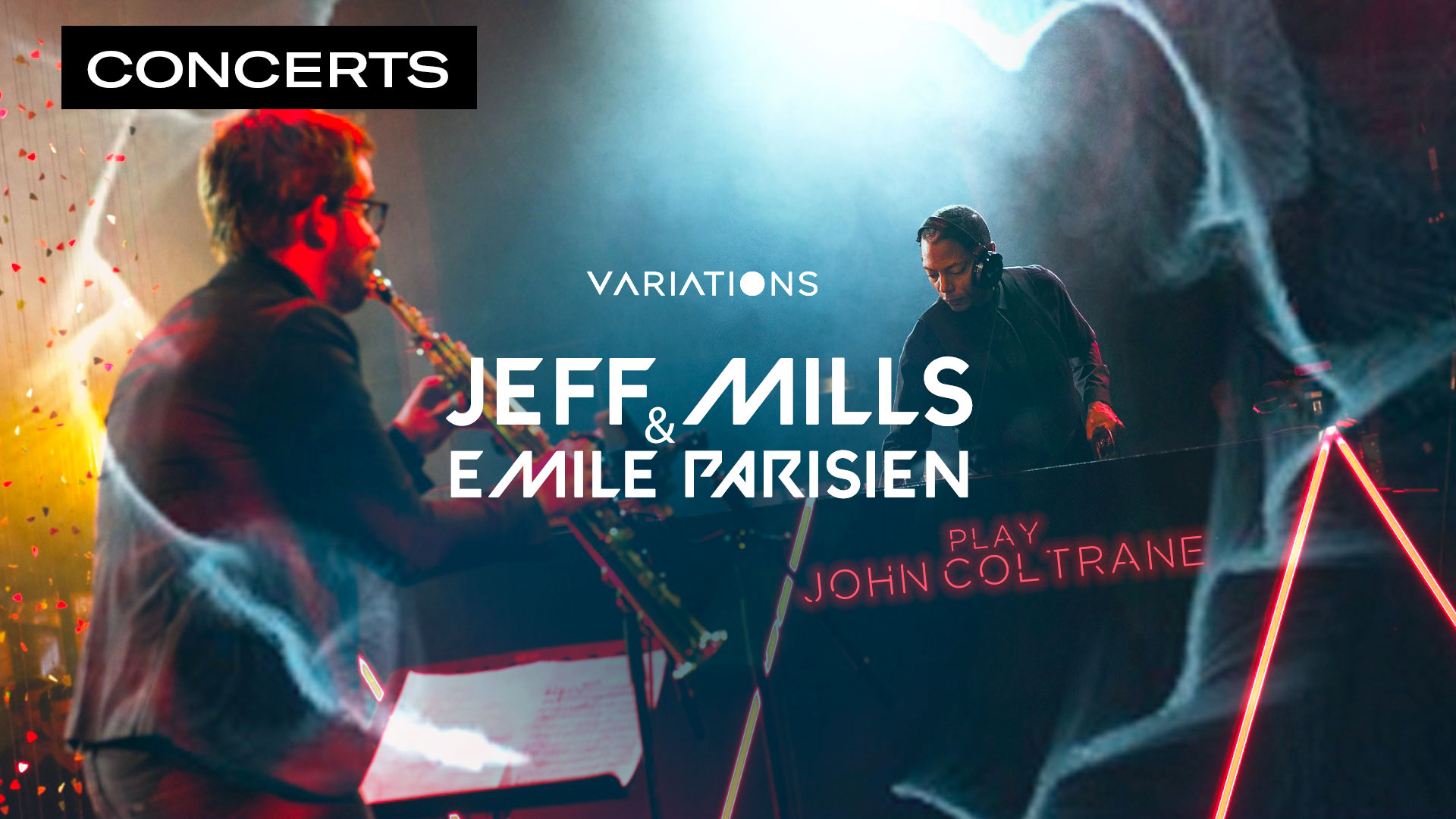
His mark, his influence, runs deep. Coltrane's playing would become a whole system unto itself. People would speak of “Coltranism.” The Coltrane lineage is prolific; he influenced several generations of saxophonists. Starting with Wayne Shorter, born in 1933, who sat in on sessions with Coltrane and, on his advice, replaced him in Miles Davis's second quintet in 1964. But also Sonny Fortune, born in 1939, and François Jeanneau, born in 1935, all the way up to Kamasi Washington, born in 1981, and James Brandon Lewis, born in 1983. And there is the powerfully Coltrane-influenced group known as the “Jewish school of saxophone,” bringing together Dave Liebman, Michael Brecker, Steve Grossman, Bob Berg, and Bob Mintzer.
“Alabama”
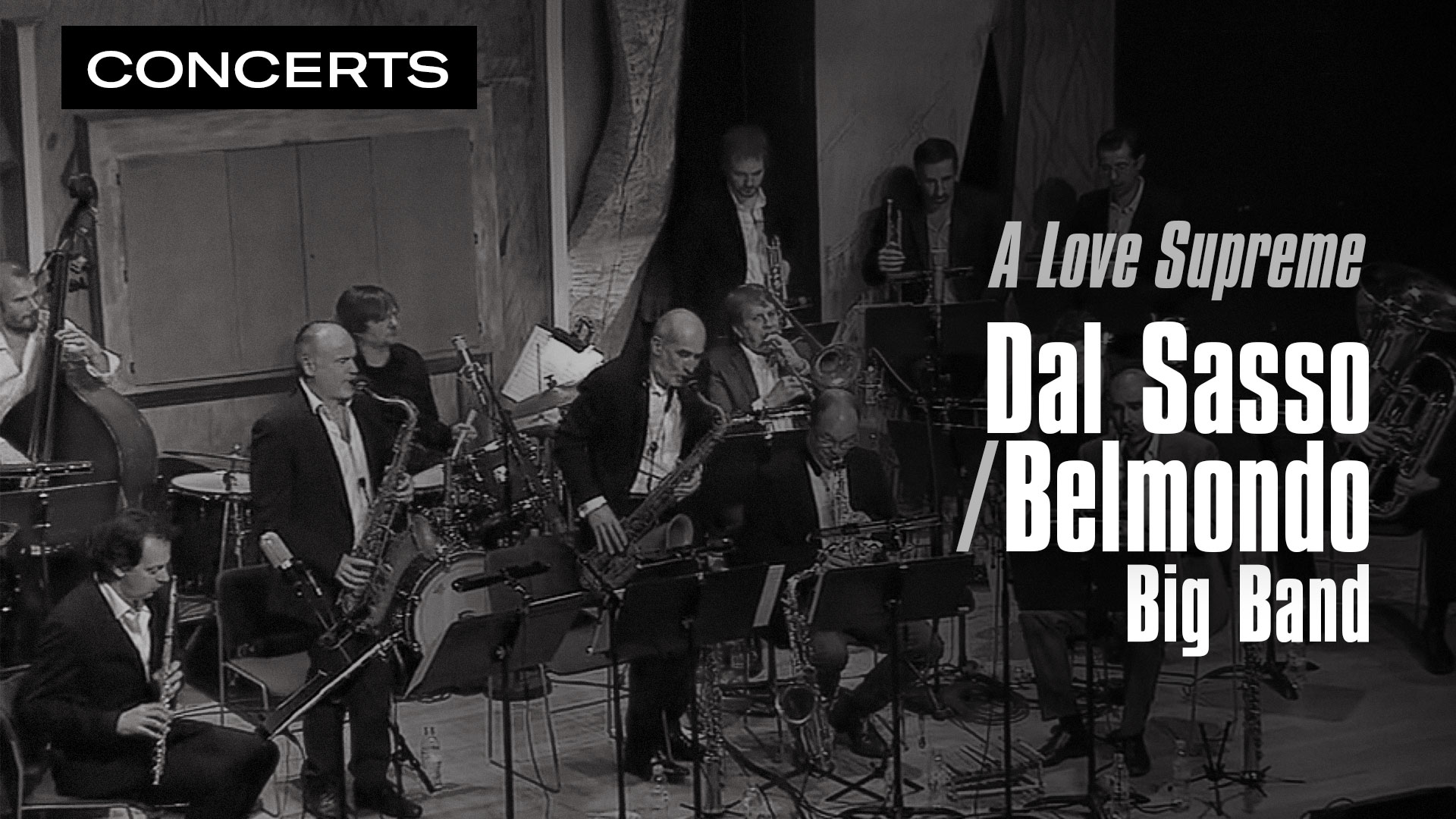
John Coltrane was a man of his time, engaged with his time. Though he never raised the clenched fist of free jazz black power the way Archie Shepp did, his political conscience was no less sharp. Music, a beautiful silent thing? Jazz is a clamor, the sound of freedom on the march. Before long, the civil rights movement would gather force. We know Coltrane attended a Malcolm X rally. He wrote the composition “Reverend King” in tribute to Martin Luther King, who fought against racial segregation, and for peace (on the 1968 album Cosmic Music). And then there is “Alabama.” This John Coltrane composition appears on the album Live at Birdland. This piece of his was recorded just over two months after the murder of four young Black American girls by the Ku Klux Klan in Birmingham, Alabama. A bomb had been thrown at the 16th Street Baptist Church. Addie Mae Collins, fourteen; Cynthia Wesley, fourteen; Carole Robertson, fourteen; and Denise McNair, eleven, were killed. According to Bill Cole, author of the book John Coltrane, the melodic line of “Alabama” draws on the rhythmic inflections of the speech Martin Luther King gave the day after the four girls' assassination. “Alabama” is a ballad, a wrenching lament. It marks a turning point in Coltrane's repertoire. From everyday sources of inspiration (“Naima,” “Cousin Mary,” “Mister P.C.,” and so on) or imagined ones (“Dahomey Dance,” “Fifth House,” “Equinox”), Coltrane, from this point forward, moved toward a different kind of awareness—first as a witness and actor of his time (“Alabama,” and later “Reverend King”), but also as a messenger of his spiritual life, of his own mystical experience (“A Love Supreme”).
“I'd like to be able to bring people something that resembles happiness, he said. I wish I could find a way that if I felt like it should rain, it would start raining right away. If a friend of mine was sick, I'd play a certain tune and he'd be healed. If he was broke, I'd play another tune and he'd instantly get all the money he needed. But which pieces to play, and what path to follow to reach that kind of knowledge—that, I don't know.”
Coltrane, a Musician in Search
There is a Coltrane aura. The man Coltrane fascinates through his simplicity, his integrity, his generosity—in a word, his goodness. He's described as a gentle man, deeply kind, shy, and quiet. His fellow traveler in sound, drummer Elvin Jones, called him “an angel on earth.” “John was a very gentle man, calm, of great kindness and generosity, said Elvin Jones. He was a good man, a man of kindness and love. John was a deeply spiritual man. I remember hearing him say once: ‘I believe in all religions.’”
Since 1957, the year he kicked drugs, Trane had been deeply engaged with religion. A mysticism drove him, one that his music laid bare. The album A Love Supreme, released in 1965, is the great work of Coltrane's mysticism. Coltrane had seen God. He said so, wrote it himself in the album's liner notes: “I have seen God—I have seen ungodly—none can be greater—none can compare to God.” His mother said, after the record's release: “My son has seen God. He shouldn't have. Whoever has seen God will die.”
“Coltrane's music bursts into something ecstatic,” says pianist Brad Mehldau. Coltrane's music is dance, a trance in motion. “I want to be a force for good, said Coltrane. My music is the spiritual expression of what I am, my faith, my knowledge, my being…”
Coltrane was on a mission, a saxophonist possessed, a tireless worker. Play, play, play some more. “The most important lesson I took from listening to Coltrane wasn't about technique, but about a way of approaching music—something you could sum up like this: ‘Follow your own path, go as far as you feel capable of going, and once you're there, try to go a little further still,’ saxophonist François Jeanneau explained.
John Coltrane was a musician in search, an adventurer of the absolute. His music, of an intense, overwhelming lyricism, of a radiant beauty, is, right up to the soul's final song, supreme love. He received the life force and passed it on. Music was his salvation, his ardor, a radiance. It moves through us, pierces us. It is an unending celebration of spirit and body, by turns meditative, lyrical, and always full of a splendid energy. Fullness and force of sound, phrases radiant with a striking beauty, incandescent lyricism, a dramatic intensity that borders on the unheard-of—in short, a convulsive beauty. What is extraordinary about Coltrane's art is, beyond or beneath his musical gift, this synergy between expressive force, emotional density, and precision, formal rigor. In it, you hear all the songs of the world.
Franck Médioni – September 2026
Franck Médioni is a journalist and writer. He is the author of John Coltrane, 80 musiciens de jazz témoignent (Actes Sud, 2008) and John Coltrane, l'amour suprême (Le Castor astral, 2018).
To go further into discovering Coltrane's music, head here to our playlist celebrating his centennial. You'll find him in concert in 1965 for RTBF with his Classic Quartet, as well as in a documentary dedicated to him, The World According to John Coltrane.